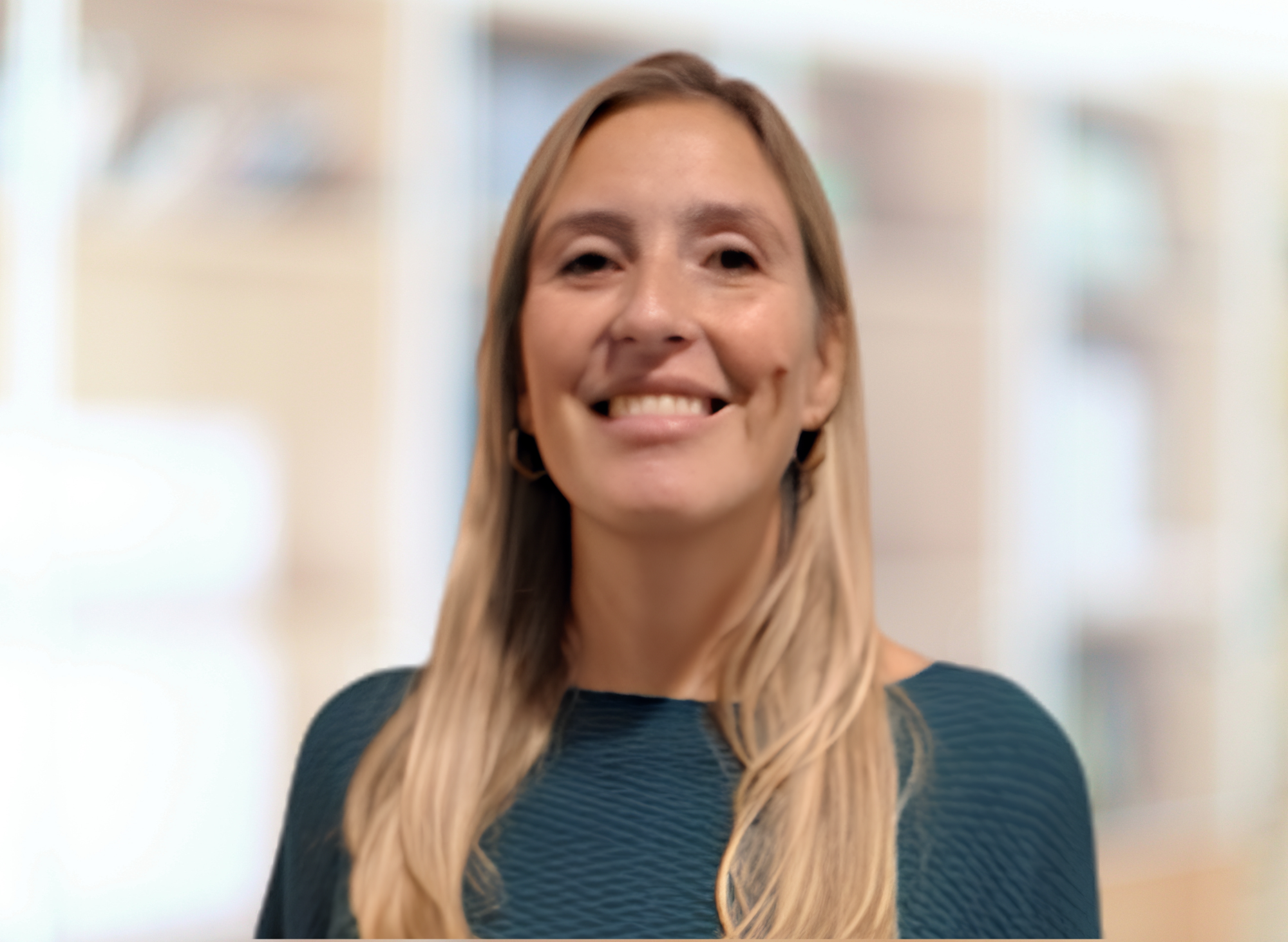
Chiara De Nuccio is a neuroscientist at the Istituto Superiore di Sanità, where she conducts research and supports the coordination of the Italian EATRIS network (A_IATRIS). She also serves as the Italian National Coordinator of EATRIS. As part of the EATRIS Spotlight Programme, the Italian national node will be showcased for its scientific excellence and capabilities, enhancing its visibility at both national and European levels.
Tell us a bit about yourself
I live in Rome and work at the Istituto Superiore di Sanità, where I am involved in activities related to A_IATRIS, the Italian node of EATRIS. I hold a degree in Molecular and Cellular Medical Biotechnology and a PhD in Toxicology. My background is in biomedical research, particularly in neuroscience. Over the years, I have combined laboratory research with roles in research coordination, communication, and strategic support for translational medicine initiatives.
A key aspect of my professional journey has been working at the interface between science, research management, and policy, supporting researchers, fostering collaborations, and contributing to enhancing the visibility and impact of biomedical research.
What motivates me most is helping to make research more connected, inclusive, and impactful, facilitating the translation of scientific knowledge into tangible benefits for patients and society.
How are you connected to EATRIS, and what does it mean to you that Italy is a member of EATRIS?
I am connected to EATRIS through A_IATRIS, the Italian national node, where I contribute to communication, coordination and support activities within the infrastructure.
For Italy, being part of a European research infrastructure such as EATRIS is a valuable opportunity to strengthen national expertise and foster international collaboration in translational research. EATRIS promotes the sharing of knowledge, resources and best practices among countries and institutions, helping to accelerate the translation of scientific discoveries into tangible health benefits.
Being a member of this network allows Italy to actively contribute to the development of a more integrated, inclusive and impact-driven European research ecosystem, while supporting researchers in addressing common challenges through collaboration and innovation..
What is translational research for you?
For me, translational research is about bridging the gap between scientific discovery and real-world impact. It is a collaborative and multidisciplinary process that connects basic research, clinical applications, and societal needs. Translational research is not only about generating new knowledge, but also about ensuring that scientific findings are transformed into tools, therapies, and solutions that improve human health. In this process, research infrastructures such as EATRIS play a key role by fostering collaboration, sharing expertise and resources, and accelerating the journey from laboratory discoveries to benefits for patients and society.
Why did you decide to work in the translational medicine field?
About ten years ago, I had the opportunity to work for A_IATRIS, which allowed me to discover translational medicine from a different perspective. Coming from a biomedical research background, I was fascinated by the role of research infrastructures such as EATRIS in connecting basic research, innovation and clinical application. Over time, I came to appreciate the importance of coordination, collaboration and shared expertise in turning scientific discoveries into tangible benefits for patients. This aspect, together with the international and collaborative nature of the field, continues to be a strong source of motivation and inspiration for me today.
What advice would you give to your younger self?
I would say: stay curious and do not be afraid to explore paths different from those you originally imagined. Some of the most rewarding opportunities often come from unexpected experiences and from meeting people with different backgrounds and expertise. Be open to new perspectives, embrace change, and trust that each experience, even the unexpected ones, can help shape your personal and professional journey.
What do you like to do when you aren’t working?
Outside of work, I enjoy travelling, reading, visiting exhibitions and going to the theatre. Above all, I value spending time with friends and the people I care about. These moments help me disconnect from everyday routines, recharge my energy and gain new perspectives, while maintaining a healthy balance between my professional and personal life.
If you were a drug, vaccine or diagnostic, what would you be and why?
I would be a supportive therapy because I believe the best results come from collaboration. I enjoy helping people achieve their goals by connecting expertise, opportunities and ideas. Just as supportive treatments help patients throughout their journey, I like creating the conditions that enable research and innovation to make a real impact on patients and society.