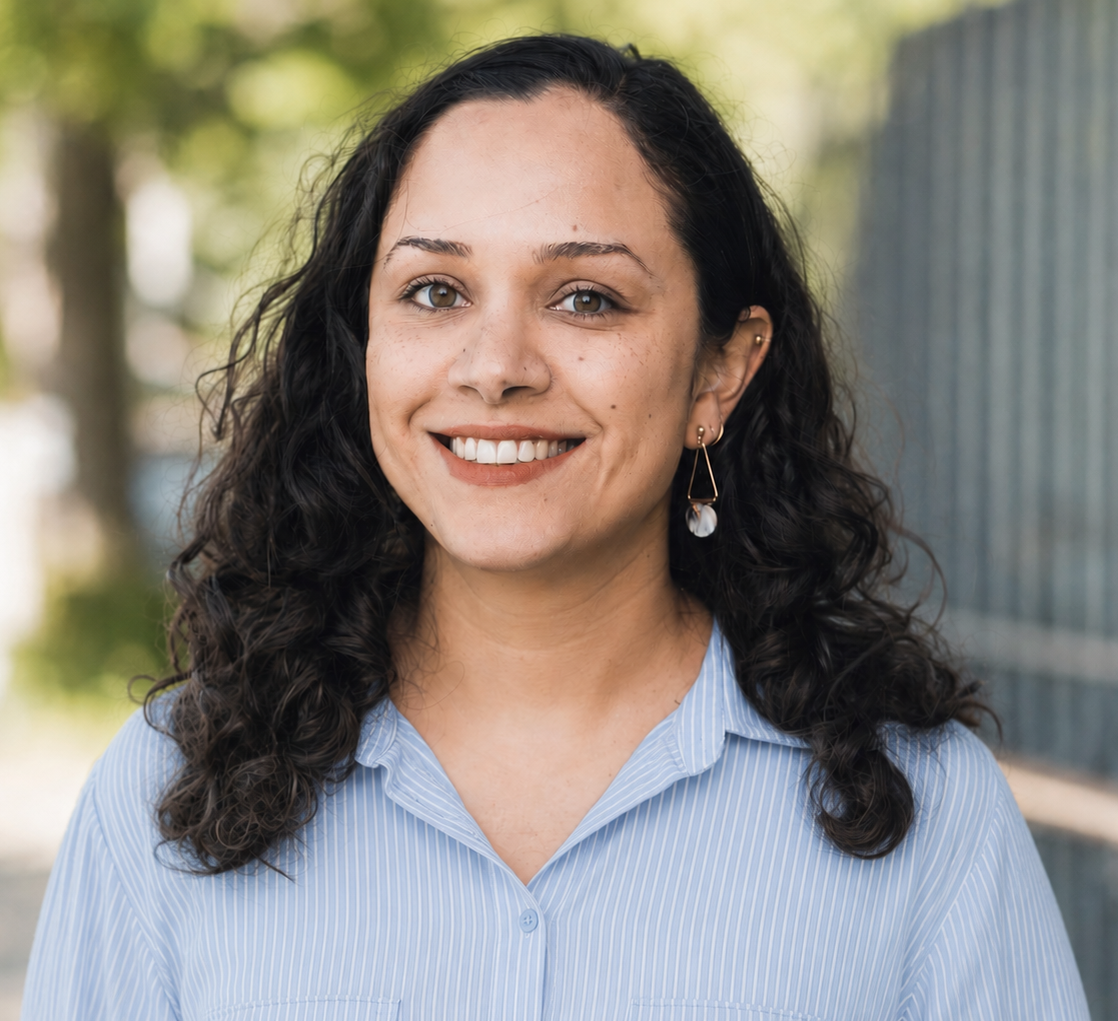
EATRIS Meets is an interview series that celebrates the amazing people in the EATRIS community. In this edition, we spoke with Cansu Tekin, Innovation Manager for EATRIS.
Tell us a bit about yourself
I am originally Turkish, grew up in Ankara, but for the past 14 years, I have studied and lived in different countries, including the Netherlands, Germany, and now Spain.
I hold a BSc in Molecular Biology and Genetics from Bilkent University in Ankara, an MSc in Biomedical Sciences, and a PhD in Molecular Oncology from the University of Amsterdam. During my bachelor’s, I briefly lived in Boston, gained exposure to advanced biomedical science, and developed a passion for learning and discovery. For my graduate studies, I chose the Netherlands for its quality education and proximity to my family in Turkiye. And with no time, the Netherlands became my second home.
After my PhD, I shifted my career to support scientist-entrepreneurs with innovation strategies, working in Germany for biotech and medtech companies to help bring scientific ideas to market. Now I live in Barcelona, contributing to science innovation at EATRIS.
What is your role within EATRIS and what does a typical week look like for you?
I joined EATRIS in May 2025 as an Innovation Manager. As the cliché goes, which is completely true for my case there is no typical week, except my recurring meetings with my teammates and colleagues. We help charities/foundations with their funding programmes and selected proposals by creating mentoring programmes with our experts and giving expert advice; for researchers and projects, we also prepare translational assessments where we do deep dives on the topic, which sometimes means we look at a different subject every month.
As part of EATRIS-Innovation, I also take part in the innovation management and exploitation part of EU-funded projects, which could be counted as the only constant project that I take part in.
What has been the highlight of your EATRIS experience so far?
EATRIS is a unique ecosystem where I have the opportunity to work alongside passionate and driven people every day. My colleagues truly are the best (if I may brag a little!)
I learn so much from everyone I work with. It is inspiring to be part of such a kind and open community, where so much commitment, expertise, and passion for science come together. I feel incredibly lucky and privileged to work with each and every one of them.
What is translational research for you?
Translational research is perhaps the best answer to the question every high-school student asks: “When are we ever going to use this in real life?”
In biology, we learn how living systems function and how their malfunctioning can lead to disease. But understanding what goes wrong is only the beginning of the journey towards finding a treatment or cure. Translational medicine is where we put that knowledge into action, turning scientific discoveries into real solutions for patients.
It is quite an epic journey, one that might even make the ancient Greek poets weep with awe.
Why did you decide to work in the translational medicine field?
It wasn’t a carefully planned path, but it was one I had imagined for myself from an early age. I was in fourth grade when I saw Dolly the sheep in a documentary about cloning, and I remember thinking, “Wow, this is the coolest thing I have ever seen!”
To me, it felt as exciting as a mission to the Moon; molecular biologists were my version of astronauts. I am still fascinated by the advances being made in the field, and I find a strong sense of purpose in helping others and improving people’s quality of life through science.
What advice would you give your younger self?
There will be moments when you doubt the road ahead, but when you look back, it will somehow make sense. Progress is rarely linear, growth is messy, and every path has its rough patches. Follow what excites you, be brave, and trust that you will find your way.
My younger self would probably call this a salad of clichés, but, annoyingly, they are clichés for a reason.
What do you like to do when you aren’t working?
For many years, I have been hooked on long-distance running, spending much of my free time training for marathons and trail races. I have a bucket list of races and routes around the world, and I am slowly working my way through it, often planning my holidays around the next adventure.
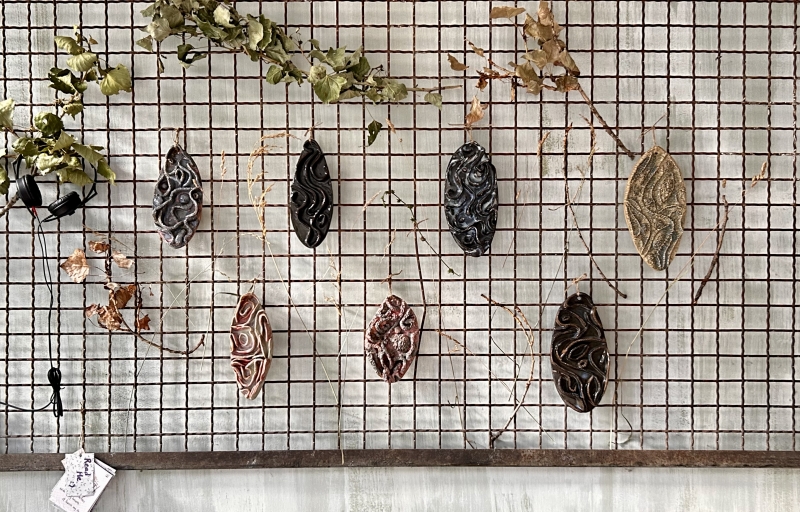
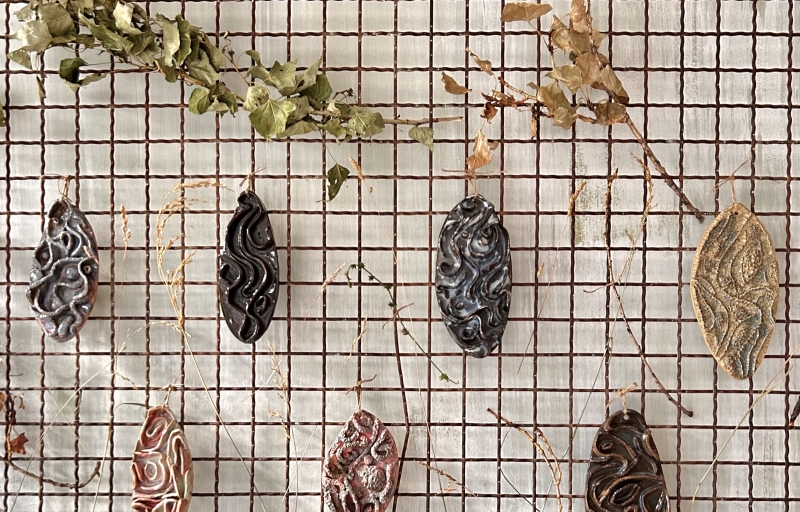
I also have an artistic side. I enjoy making clay sculptures, urban sketching, and photography, which help me stay creative and curious.
If you were a drug, vaccine or diagnostic, what would you be and why?
That is a difficult choice. I would either be an inverse vaccine for autoimmune disease, where the immune system tolerates a specific self-antigen without suppressing immunity, or create a highly accurate test capable of detecting cancer at its earliest stages.
What would surprise people to know about you?
I also used to play the violin, very passionately, but as school began to demand more of my time, that dream had to take a back seat, and eventually I just became a music lover (only as a listener).
I once won a small Trivial Pursuit tournament during my final year of high school, and I still have a habit of blurting out random facts to my friends. Once a nerd, always a nerd!