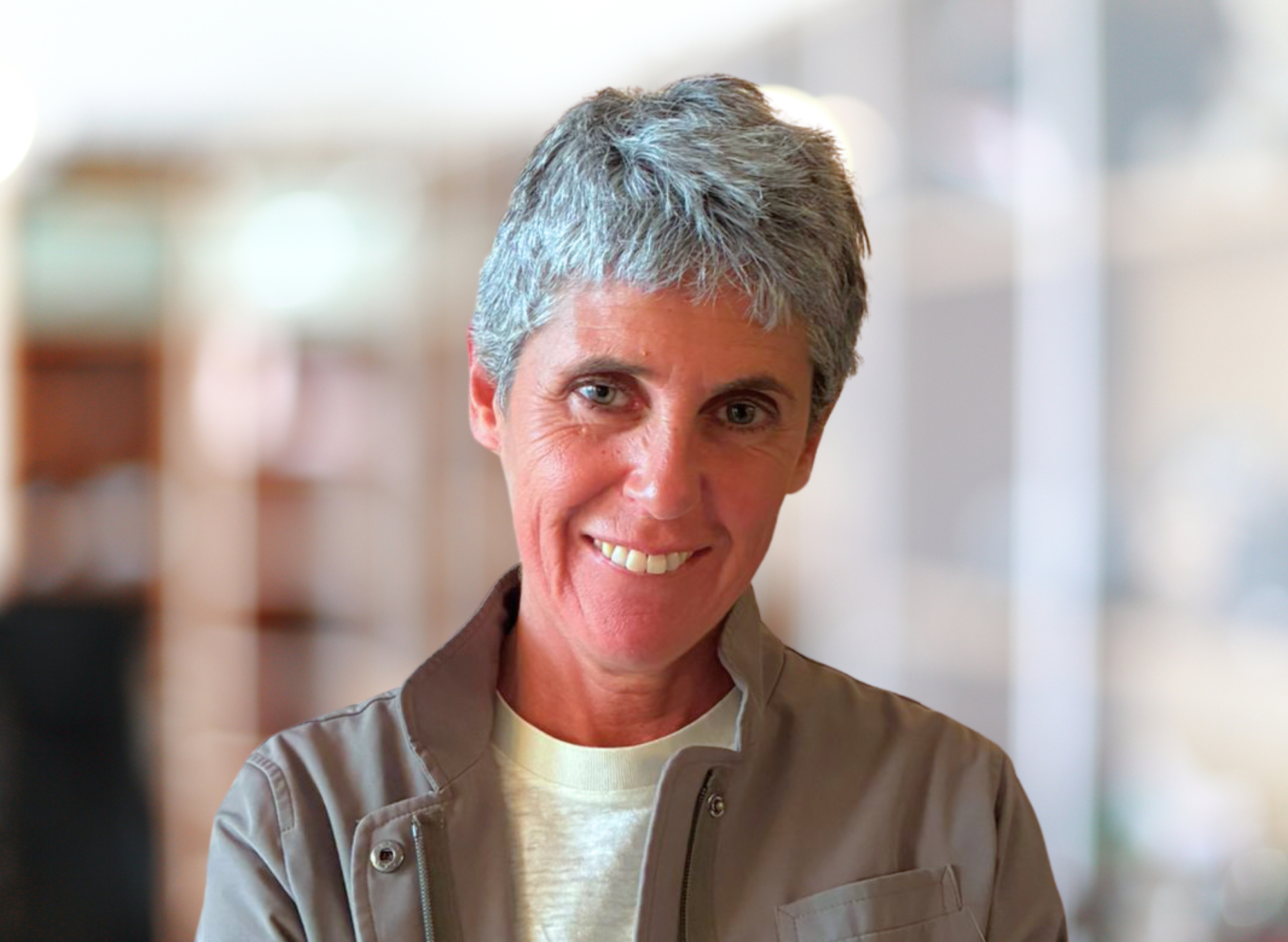
Francesca Capone serves as the Italian representative to the EATRIS Board of Governors. She is a psychopharmacologist and serves as the Technology Transfer Focal Point at the Istituto Superiore di Sanità (ISS). As part of the EATRIS Spotlight Programme, the Italian national node will be showcased for its scientific excellence and capabilities, enhancing its visibility at both national and European levels.
Tell us a bit about yourself
I am a neurobiologist by training, with a degree in Biological Sciences from Sapienza University of Rome and a PhD in Psychobiology and Psychopharmacology. I carried out postdoctoral research in Paris and also hold a master’s degree in Open Innovation and Intellectual Property.
My research focused on the effects of pharmacological treatments on memory and pain perception, as well as the impact of environmental pollutants on neurobehavioural development. This experience gave me a deeper understanding of the complexity of biomedical research and the importance of robust scientific evidence. Over time, my interests expanded to include innovation, intellectual property and technology transfer.
I have been involved with EATRIS since its preparatory phase, before the establishment of EATRIS-ERIC. Over the years, I have supported the coordination of A_IATRIS, the Italian national node. Since 2015, I have represented Italy on the EATRIS Board of Governors, where I currently serve as the Italian Government Representative. I also chair the A_IATRIS Platform for Intellectual Property and Technology Transfer and have served as the Technology Transfer Focal Point at the Istituto Superiore di Sanità (ISS) since 2023.
How are you connected to EATRIS, and what does it mean to you that Italy is a member of EATRIS?
I represent Italy on the EATRIS Board of Governors and support the development of A_IATRIS, working closely with the National Director and National Coordinator.
For me, Italy’s membership connects national scientific expertise with a wider European community. It offers a setting in which researchers and clinicians can share knowledge and collaborate across disciplines and institutions. I particularly value this collective approach to advancing translational medicine.
What is translational research for you?
For me, translational research is about turning scientific discoveries into clinical applications that address patients’ needs. It requires more than moving findings from the laboratory to the clinic: it depends on a continuous exchange between research and clinical practice. The aim is to help discoveries reach patients in a timely, safe and appropriately targeted way.
Why did you decide to work in the translational medicine field?
Taking part in a technical working group established by the Italian Ministry of Health for IRCCS (Institutes for Research, Hospitalisation and Healthcare) was a turning point. It broadened my perspective on research and helped me understand the support and development pathways needed to translate scientific discoveries into clinical applications.
Technology transfer offered me a way to build on my research background while helping other researchers navigate this process.
What challenges do you face in this field and how do you approach overcoming them?
From my perspective in technology transfer, a key challenge is helping researchers recognise the potential value of their findings and understand the critical steps needed to move them towards clinical use.
One of our aims is to help researchers make informed decisions about the development and valorisation of their results. Fostering dialogue between researchers, clinicians, technology transfer professionals, patient organisations and other stakeholders is central to this approach. It brings together the expertise and perspectives needed to identify an appropriate development pathway.
How do you incorporate patient engagement or collaboration into your research process, and why do you think it is important?
My work is mainly at the interface between research and innovation, but patients’ needs remain the reference point. I see dialogue with clinicians, patients and their organisations as essential to understanding which outcomes matter most in everyday life. Their perspectives can help guide development towards solutions that are meaningful to patients, rather than being driven solely by scientific or technological possibilities.
What future trends or technologies in translational medicine excite you the most?
I am particularly interested in advanced diagnostics, precision medicine, artificial intelligence and data-driven approaches. Combining biological knowledge with new technologies offers exciting possibilities for understanding disease, supporting earlier diagnosis and guiding more targeted treatments. What matters is that these technologies are implemented responsibly and remain grounded in clinical needs.
What has been the most rewarding moment in your career as a research scientist so far?
Receiving an award for the best research presentation at an international congress in Honolulu was a particularly memorable moment. It recognised the value of the research I had conducted.
Today, I also find great satisfaction in seeing a discovery lead to a new collaboration or move closer to practical application. It reminds me that research can open up possibilities beyond the original study.
What advice would you give to your younger self?
Remain curious and open to change. Professional paths do not always unfold as we imagine, but unexpected experiences can offer new perspectives. Be willing to explore them: they may lead to some of the most rewarding opportunities.
What do you like to do when you aren’t working?
I enjoy travelling, scuba diving and restoring antique furniture. I love uncovering the character of old pieces, repairing woodworm damage and bringing them back to life while preserving their original features.
If you were a drug, vaccine or diagnostic, what would you be and why?
I would be a diagnostic tool, because an accurate diagnosis helps identify the most appropriate treatment pathway for each patient.
That reflects my own work: recognising the potential of research findings and helping them find the right direction for further development. I also believe that reliable diagnostics and innovative healthcare should be accessible to everyone, regardless of gender, age, ethnicity or social background.
What would surprise people to know about you?
People might be surprised to know that, in 2000, I ran the New York City Marathon together with my brother and my uncle in memory of my father. It was a deeply meaningful personal challenge, combining determination, family and remembrance.