Dr. Peter Sebo is a senior scientist and professor at the Institute of Microbiology at the Czech Academy of Sciences.
We had the pleasure of interviewing Peter as a part of the EATRIS Czech Republic Spotlight Programme. During the Spotlight Programme, we will showcase the Czech Republic’s scientific excellence and capabilities, including sharing the promising research being conducted at Czech institutes.

Tell us a bit about yourself
I am a senior scientist, a professor of microbiology, specialising in molecular mechanisms of bacterial virulence and vaccine design and development. I stepped down last May after 30 years of service as a Head of a large research lab at the Institute of Microbiology of the Czech Academy of Sciences in Prague. My research focuses on the molecular tricks that pathogenic bacteria deploy to subvert our immune defence to colonise our mucosal surfaces.
My specialty is the mechanisms of action of bacterial protein toxins, and our model pathogen is the agent Bordetella pertussis that causes pertussis, also known as whooping cough. This extremely contagious respiratory illness is threatening infants and the elderly and is now massively resurging in all developed countries despite a very high acellular pertussis vaccine coverage. My research over the past three decades, besides basic science, has also involved the design and development of immunotherapeutic cancer vaccines and of novel prophylactic pertussis vaccines. Our lab is running the vaccine platform research infrastructure of the Czech EATRIS node.
How are you connected to EATRIS?
I am representing the Czech Republic in the EATRIS Vaccine Platform and participate in the operations of the Czech EATRIS vaccine platform infrastructure.
What is your current research focusing on, and what’s the potential impact on human health?
My research focuses on the structure-function relationships underlying the mechanism of action of the adenylate cyclase toxin from the whooping cough agent Bordetella pertussis. We are investigating how it disarms our mucosal immune defence. We recently centred our attention on the interactions of the pathogen with ciliated epithelial cells of the airway mucosa. Using single cells and spatial transcriptomics approaches, we are deciphering the mutual adaptation and reprogramming of the bacteria and the host cells resulting from their tight interaction in the course of infection.
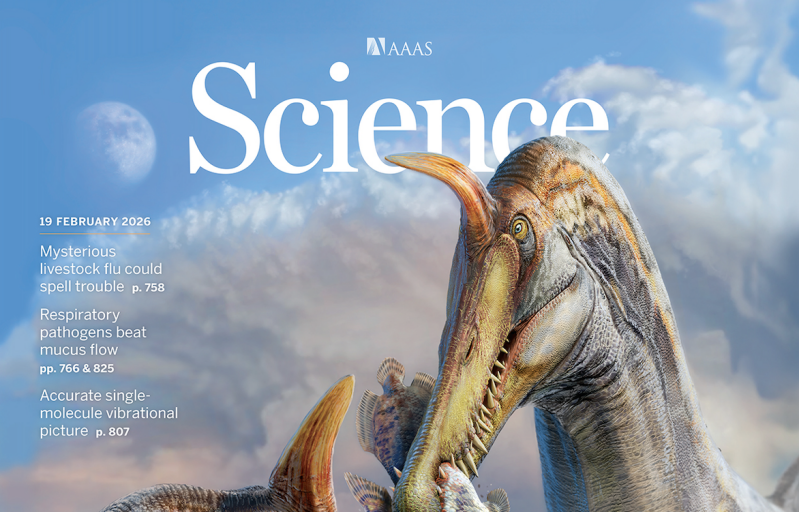
Recently, we discovered the mechanism of tight adherence of the bacteria to the cilia of the epithelial cells and the role of a microtubule-binding domain of the adhesin FhaB that the bacterium delivers into the beating cilia to anchor itself and migrate along the cilium to the base of the cilia forest, where it can grow protected from removal by the mucociliary escalator. This enables a productive infection that leads to nasopharyngeal catarrh and spread of the pathogen to new hosts by expelled aerosol. We have also developed a novel genetically detoxified whole-cell pertussis vaccine that exhibits reduced reactogenicity and shows high vaccine efficacy in a non-human primate model.
What challenges do you face in this field, and how do you approach overcoming them?
The major challenge is that the whooping cough agent Bordetella pertussis is an exclusively human pathogen that can elicit a human-like course of catarrhal pertussis disease only in primates that are extremely expensive and prohibitively inaccessible, also for ethical reasons. We have overcome the challenge of the inability of B. pertussis to elicit catarrhal pertussis in laboratory mice by developing a unique catarrhal pertussis transmission in partly immunodeficient MyD88 knock-out mice.
How do you incorporate patient engagement or collaboration into your research process?
Our team operates at a basic research institution that does not conduct clinical research. Nevertheless, we took the opportunity of the extremely massive pertussis outbreak that occurred in 2024 in the Czech Republic and organised a clinical study on convalescent pertussis patients to analyse their T cell immune responses to pertussis infection using cells isolated from non-invasive nasal swabs of nasal conchal epithelia.
What future trends or technologies in translational medicine excite you the most?
Being a vaccine expert, I am most excited by the potential of mRNA vaccines in the prophylaxis of viral infections as well as in the immunotherapy of cancer and autoimmune diseases. Especially promising are the personalised tumour sequencing-based multiepitope therapeutic mRNA cancer vaccines that can be used for the induction of cytotoxic T cell immune responses against neoepitopes expressed by the particular tumours of a particular patient. This technology will bring bout a breakthrough in cancer immunotherapy.
What has been the most rewarding moment in your career so far?
There were many rewarding moments in my long career, such as establishing and leading a successful research team, contributing to many exciting discoveries and participating in cancer vaccine development, as well as pertussis vaccine research. Most recently out team has significantly contributed to a paradigm-shifting discovery of how the pertussis agent has repurposed a bacterial contact-dependent inhibition system from a toxin delivery tool to a tool that delivers a molecular anchor into beating cilia of airway epithelial cells to establish an anchoring system resisting removal of bacteria by the mucociliary escalator, and thus enabling productive infection of the airway.