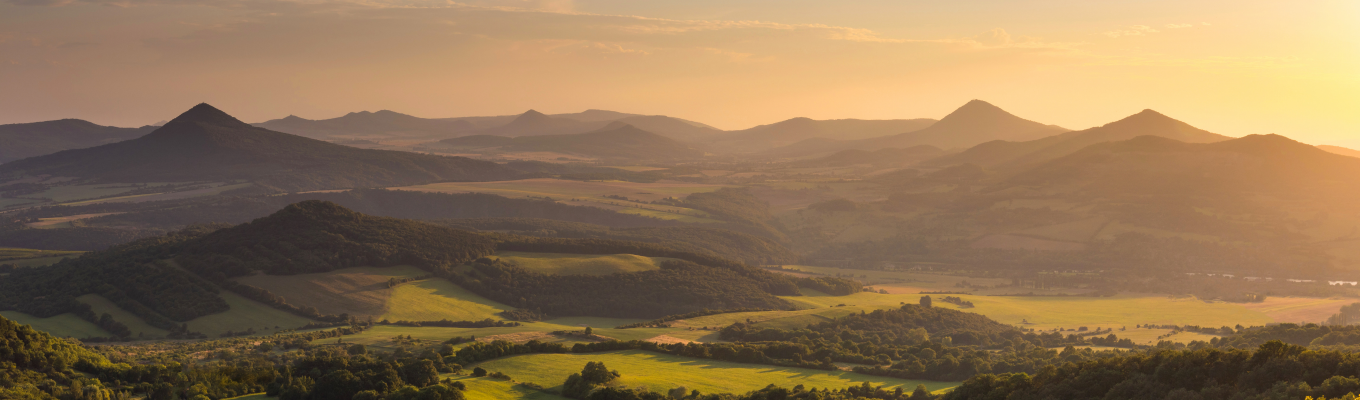
Judita Klosaková serves as the Czech representative to the EATRIS Board of Governors. She is a civil servant at the Department of Large Infrastructures at the Czech Ministry of Education, Youth and Sports. As a part of the EATRIS Spotlight programme, EATRIS Czech Republic will be showcased for its scientific excellence and capabilities, enhancing its visibility on both national and European levels.
Tell us a bit about yourself
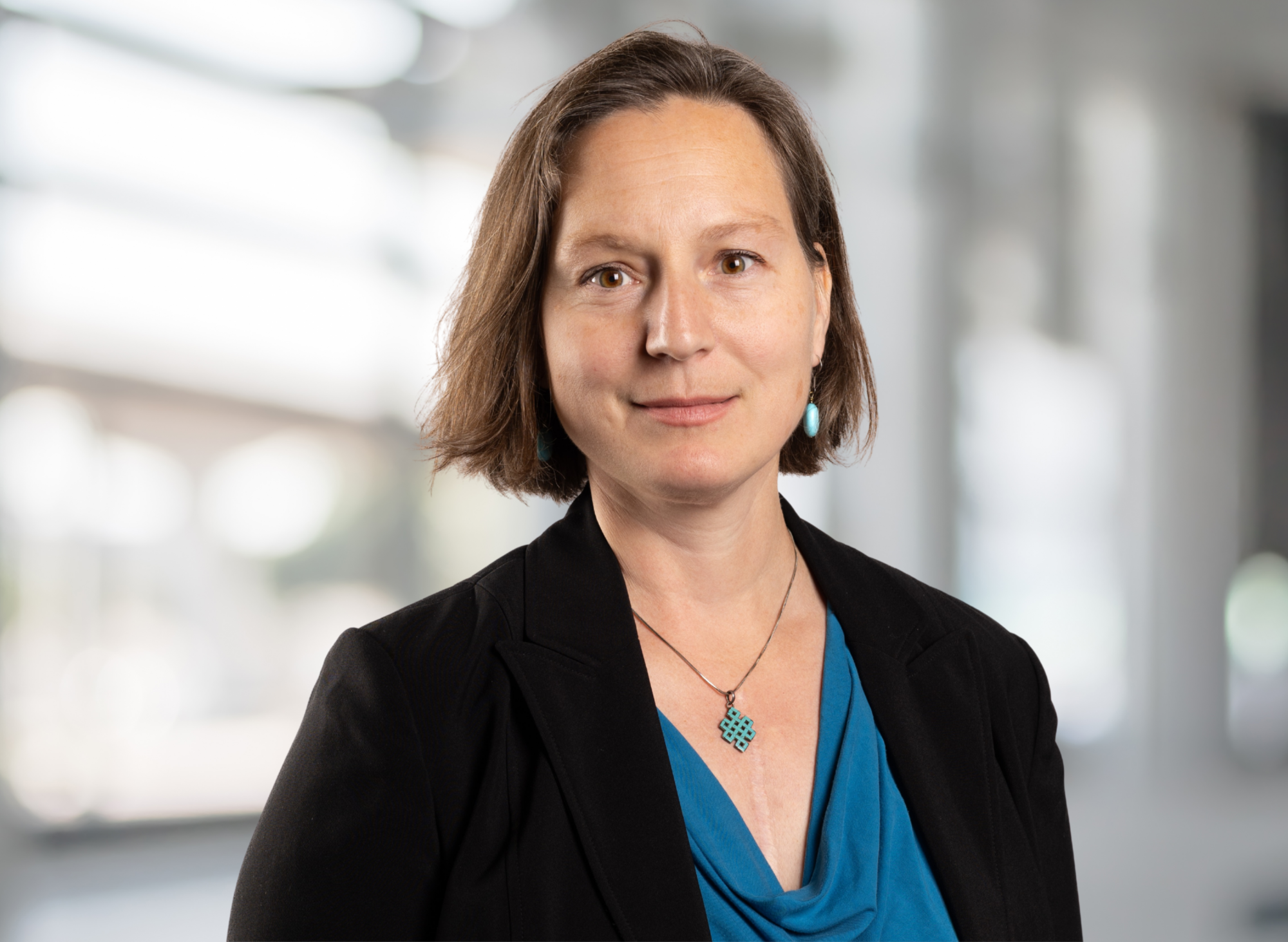
My name is Judita Klosaková, and I was born in Prague, Czech Republic. I studied at Palacký University in Olomouc, graduating in Spanish Philology at the Faculty of Philosophy and Leisure Time Pedagogy at the Faculty of Physical Culture. Later, I spent a few years as a teacher at the secondary school and a tourist guide until 2015, when I went to live back in Prague. Then I have been working at the state-funded organisation of the Ministry of Education, Youth and Sports, CERMAT, that centrally prepares, organises and evaluates uniform entrance exams for secondary schools and school-leaving exams in the Czech Republic.
Since 2019, I have been working at my current position at the Ministry of Education, where I started at the Department of Science and Development, and where I am currently working at the Department of Large Infrastructures. I am very happy to be in this position, and it is an honour for me to be a small part of the great and important work and mission that the large infrastructures in the field of health and food are doing.
How are you connected to EATRIS, and what does it mean to you that the Czech Republic is a member of EATRIS?
In the Czech Republic, the Ministry of Education, Youth and Sports is one of the stakeholders, and finances large infrastructures that offer their services to the public under open access. We currently have more than 20 ERICs in the Czech Republic. In the field of health and food, I am taking care of 10 large research infrastructures (5 ERICs, 1 in preparation and 1 EDIC in preparation). EATRIS ERIC is one of them.
Tell us a little more about your work and what a typical week looks like for you.
During the week, it is typical office work, lots of paperwork and Excel spreadsheets with business trips around Europe several times a year to attend international meetings where you can meet and talk to many interesting and important people from different scientific fields. Sometimes it is my duty to prepare a conference, visit a large infrastructure or archive a pile of old documents. Still being on the phone and reachable for people who need to consult their problems – being a bridge for communication between the ministry and scientists.
What is translational research for you?
Translational Research is an important part of the way to better diagnostics and treatment for a lot of people with health issues. I hope it will be more accessible and reachable for everyone who needs this type of help. However, the personal attitude during the illness and recovery is also very important; everyone can make their own miracles, not just scientists.
Why did you decide to work in the translational medicine field?
People might be surprised by my education and the fact that I am not a doctor or a scientist. However, life has brought me here, and I am happy for that, because I can offer a patient perspective to the discussion. From my personal experience, I know how important it is to be diagnosed quickly and correctly, to receive the right medication, support and hope with new treatments and methods, etc. When I was 17 years old, I was diagnosed with Hodgkin’s lymphoma and spent 2 years in hospitals. I was lucky, and now I can live a great life. Because of that, I will always support efforts to improve healthcare and be grateful for all help from doctors, nurses and scientists (I have been a part of a clinical study of new medications).
What advice would you give to your younger self?
I don’t regret anything. Just – be kind to yourself and take care of yourself. You have to be okay to help others.
What do you like to do when you aren’t working?
During the COVID period, I went back to my big hobby – knitting and crocheting. So, when I am watching movies or Netflix series, it is usually the time when I am working on a new pair of socks, gloves or sweaters.
If you were a drug, vaccine or diagnostic, what would you be and why?
Vaccine of gratitude and good mood.
What would surprise people to know about you?
I have stray shoes – time to time, I am still working as a tourist guide (for students, friends or Spanish-speaking tourists), I love travelling and walking. My big dream is walk the Camino of Santiago in Spain. So, this year, hopefully, a part of the holidays will be a short preparation for Camino: the Fisherman’s trail in Portugal and/or a part of the Czech trail around the Czech Republic – Stezka ČESKEM thru-hike. Wish me good luck!