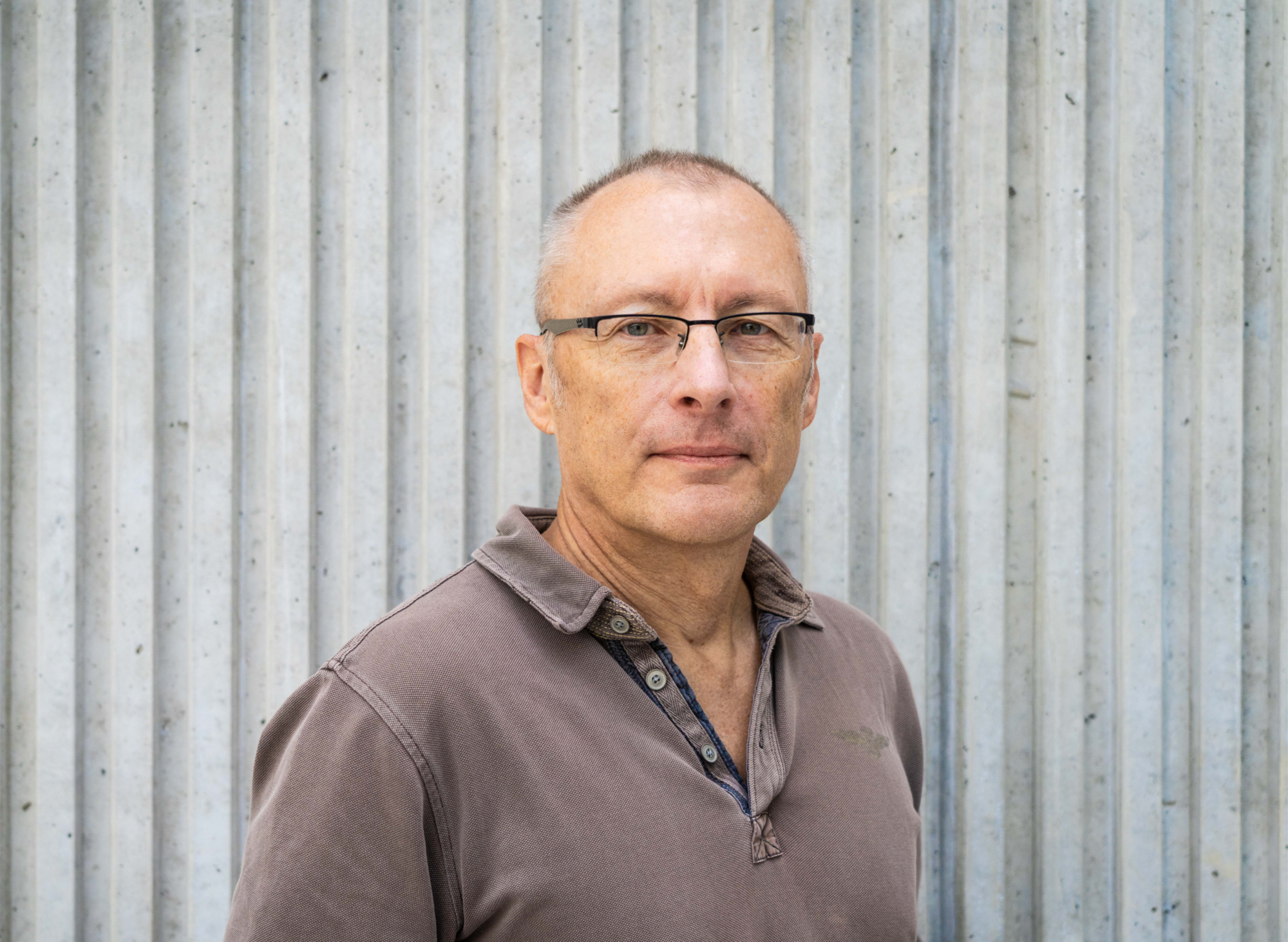
Prof. Dr. Aleksi Šedo is the Director of the Czech National Institute for Cancer Research and Head of the Institute of Biochemistry and Experimental Oncology of the First Faculty of Medicine at Charles University.
We had the pleasure of interviewing Aleksi as a part of the EATRIS Czech Republic Spotlight Programme. During the Spotlight Programme, we will showcase the Czech Republic’s scientific excellence and capabilities, including sharing the promising research being conducted at Czech Institutes.
Tell us a bit about yourself
I am a physician-scientist and professor based in the Czech Republic at Charles University, where I lead a research institute focused on translational oncology and tumour microenvironment biology. My career has been centred on connecting fundamental molecular research with clinically relevant applications. Over the years, I have worked on protease biology, tumour microenvironment signalling, and mechanisms of immune modulation in solid tumours, with a particular focus on brain tumours.
Beyond laboratory research, I am actively involved in building national and international research infrastructures. I currently lead the Czech National Institute for Cancer Research, a distributed network integrating academic, clinical, and technological partners across the country. A major part of my work is enabling collaboration between basic scientists, clinicians, and industry to accelerate translation from discovery to patient benefit.
My academic career combines research, mentoring, and research policy activities, with strong involvement in European research initiatives and infrastructure development.
How are you connected to EATRIS?
Our institute and national partners are connected to EATRIS through translational research collaboration, infrastructure alignment, and participation in European projects. We see EATRIS as a key bridge between national translational ecosystems and European-scale implementation. Through NICR, we aim to both benefit from EATRIS expertise and contribute to national capacities, particularly in translational oncology, biomarker research, and early-stage therapeutic development. The relationship is strongly complementary: EATRIS supports European integration of our activities, while NICR helps bring coordinated national capabilities into the European translational research landscape.
What is your current research focusing on, and what’s the potential impact on human health?
My research focuses on tumour microenvironment biology, particularly cancer stromal functions involved in cancer progression and therapy resistance. In glioblastoma and other aggressive tumours, we study how tumour-associated stromal cells influence T-cell function, macrophage programming, composition of extracellular matrix and resistance to cell death pathways.
We are also working on targeted therapeutic strategies, including approaches that combine immune modulation with novel cellular therapies. The goal is to better understand how tumours create protective niches and to develop interventions that disrupt these mechanisms.
The potential impact is improving treatment responses in highly resistant cancers, enabling more precise patient stratification. By combining molecular biology, translational models, clinical collaboration, and infrastructure support – including cooperation with European infrastructures such as EATRIS – we aim to move promising discoveries toward early clinical testing.
What challenges do you face in this field, and how do you approach overcoming them?
A major challenge is the biological complexity and heterogeneity of human tumours, especially in diseases like glioblastoma. Findings from experimental models often only partially translate into clinical settings. Another challenge is integration and analyses of large, multi-modal datasets from molecular profiling, imaging, and clinical outcomes.
We address this through multidisciplinary collaboration, strong integration with clinical partners, and participation in national and European research infrastructures. Platforms such as NÚVR and EATRIS, but also BBMRI and others, are essential for harmonising protocols, sharing data, enabling access to high-quality biospecimens, and coordinating advanced technology access across countries.
How do you incorporate patient engagement or collaboration into your research process?
Patient relevance is central to translational oncology. We collaborate closely with clinical teams, typically neurosurgeons and pathologists, to ensure research questions reflect real clinical needs. We support ethical biobanking, longitudinal clinical data integration, and participation in early-phase translational studies. Patient engagement increases research relevance, improves study design, and accelerates translation into clinical practice.
What future trends or technologies in translational medicine excite you the most?
The integration of multi-omics data with advanced computational modelling, spatial biology, and next-generation cell therapies is particularly promising. I am also interested in the growing convergence of immunotherapy, targeted delivery systems, and precision diagnostics. I do believe these developments will enable more personalised and more predictive treatment strategies.
What has been the most rewarding moment in your career so far?
Building a collaborative research ecosystem within the National Institute for Cancer Research has been particularly rewarding. Scientifically, moments when mechanistic discoveries promise future clinical relevance are especially meaningful. Mentoring and work with young scientists and seeing them develop into independent researchers and future leaders of our discipline.