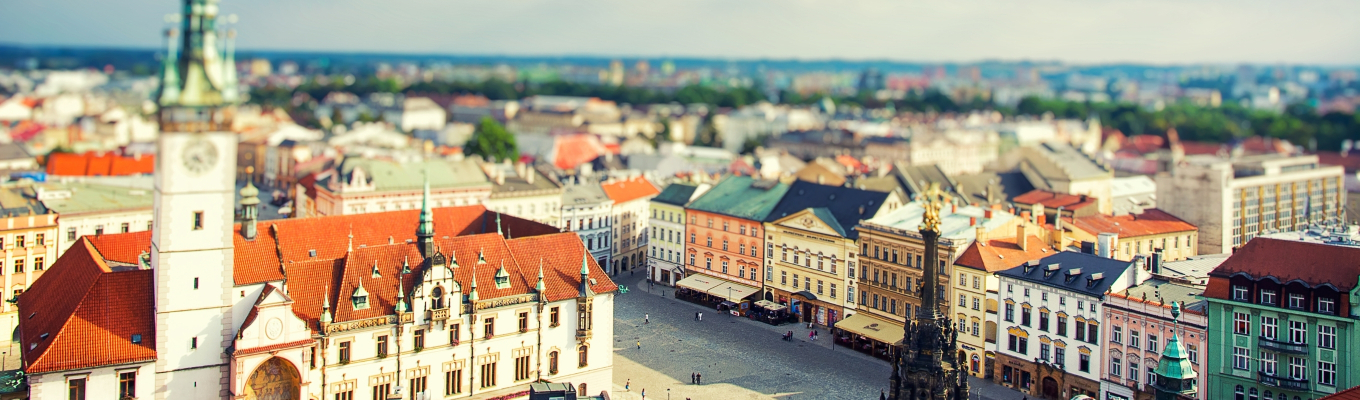
Erik Dvořák serves as the National Coordinator of EATRIS Czech Republic. He is a project manager at the Institute of Molecular and Translational Medicine (IMTM), Palacký University Olomouc, which is the coordinating institute of EATRIS Czech Republic. As a part of the EATRIS Spotlight programme, EATRIS Czech Republic will be showcased for its scientific excellence and capabilities, enhancing its visibility on both national and European levels.
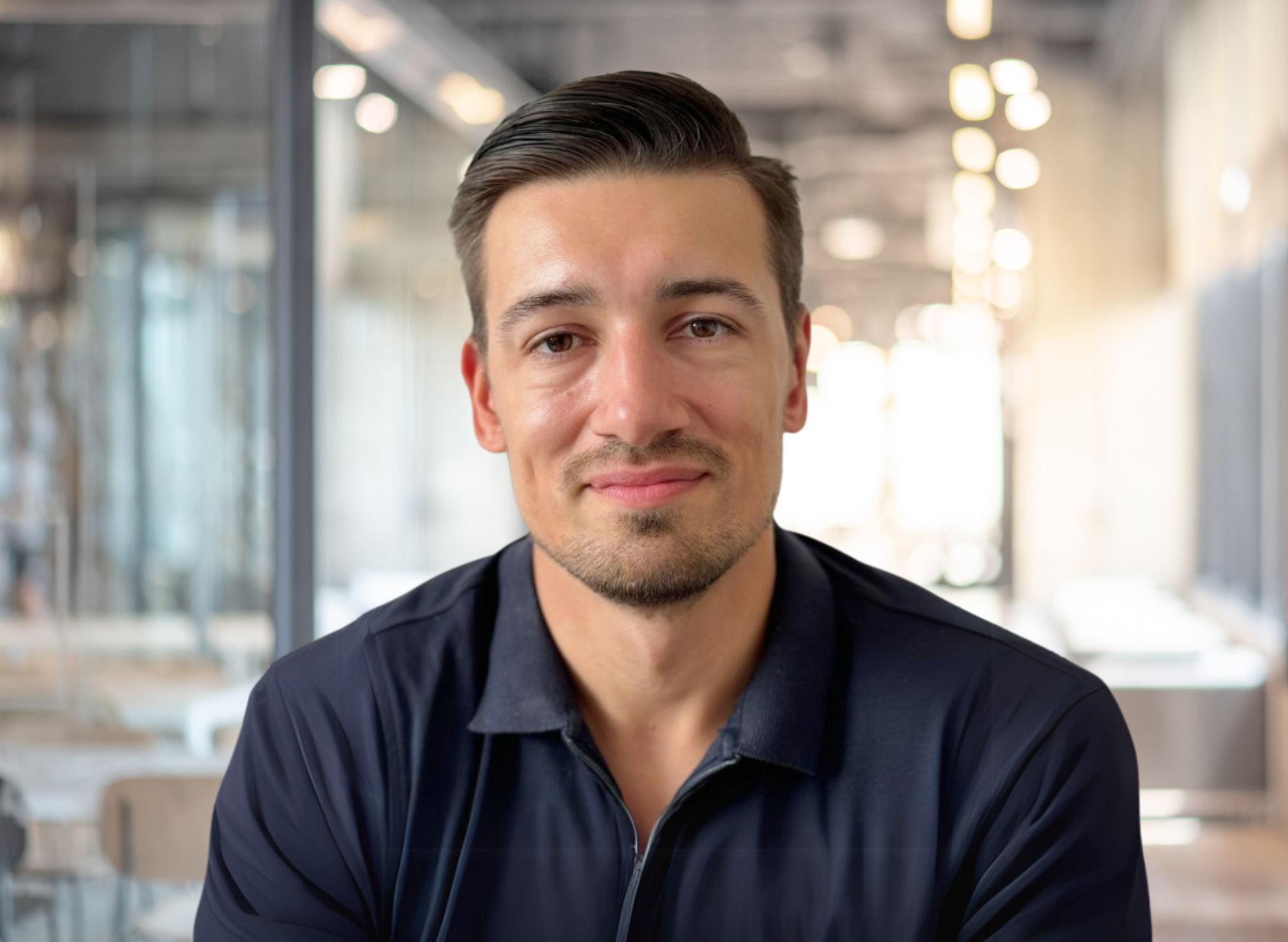
Tell us a bit about yourself
My name is Erik Dvořák, and I come from Olomouc. I graduated from Masaryk University with a degree in Sports Management. In the past, I worked as a project manager for business companies. Following my education, I later worked as an officer at the National Sports Agency, where I was responsible for verifying the correct allocation of state subsidies and assessing the eligibility of applicants. I carried out this role in Ostrava. Shortly after I decided to return to my hometown of Olomouc, I received a job offer from IMTM / Palacký University, which I was very pleased to accept.
In my current role, I am able to combine my project management experience with an understanding of public administration and research environments. Working at IMTM allows me to contribute to meaningful scientific and translational research projects with real societal impact. I value the opportunity to be part of an institution that connects academic excellence with practical applications in healthcare.
How are you connected to EATRIS, and what does it mean to you that the Czech Republic is a member of EATRIS?
I am connected to EATRIS as the National Coordinator for EATRIS Czech Republic, representing a network of 11 member research institutes. In this role, I coordinate national activities, support collaboration among members, and serve as a link between the Czech node and the broader European EATRIS infrastructure.
For me, the Czech Republic’s membership in EATRIS is highly meaningful because it enables our researchers to be part of a strong European translational ecosystem. It provides access to shared expertise, cutting-edge infrastructure, and international collaboration, ultimately helping transform scientific discoveries into real benefits for patients and society.
Tell us a little more about your work and what a typical week looks like for you.
My work mainly focuses on managing research and innovation projects in the field of science and translational medicine, both at the national level and within EU-funded frameworks. A typical week includes coordinating ongoing projects, monitoring milestones, budgets, and deliverables, and ensuring alignment with strategic objectives.
I regularly participate in meetings with members of the EATRIS-CZ network, where we discuss project progress, collaboration opportunities, and operational matters. An important part of my role also involves regular meetings with other national coordinators within EATRIS, allowing us to share best practices and align activities across countries.
In addition to project coordination, I support communication between researchers, institutions, and international partners, helping translate scientific goals into concrete project outcomes. My week is therefore a mix of strategic planning, coordination, reporting, and collaboration, requiring both organisational skills and an understanding of the scientific and research environment.
What is translational research for you?
Before joining IMTM, translational research was something I barely knew about. Working at EATRIS and within the Czech infrastructure opened my eyes to how research can move beyond the lab and make a real difference for patients. Seeing this connection firsthand made the work feel meaningful to me because it is not just about science, but about improving real lives.
Why did you decide to work in the translational medicine field?
I decided to work in translational medicine because it represents a meaningful bridge between scientific research and real-world healthcare impact. This field has a strong mission: transforming scientific discoveries into practical solutions that improve patient care and public health.
Healthcare and biomedical research are essential for society, and being part of a field that contributes to better diagnosis, treatment, and prevention of diseases is highly motivating. Knowing that my work supports research with tangible benefits for patients gives my professional role a clear purpose and long-term value.
What advice would you give to your younger self?
I would tell my younger self not to underestimate their abilities and to trust themselves more. Confidence often comes with age and experience, but it is important not to wait too long to believe in your own skills.
I would also say: do not be afraid of making mistakes. Errors are an essential part of learning and personal growth, and without them, it is impossible to gain real experience. Trying, failing, and improving is a natural and valuable process.
What do you like to do when you aren’t working?
When I am not working, I enjoy travelling and discovering new places and cultures. I also spend a lot of my free time doing sports, which helps me clear my mind and maintain both physical and mental balance. Being active allows me to recharge and stay focused in my professional life.
If you were a drug, vaccine or diagnostic, what would you be and why?
I would be a chemotherapy. Despite its side effects, it has saved countless lives and remains a cornerstone of cancer treatment, symbolising both the power and responsibility of modern medicine.
What would surprise people to know about you?
People might be surprised to learn that my favourite sport is boxing, which I find both physically demanding and mentally grounding. At the same time, I really enjoy listening to classical music. This combination of intensity and calm reflects how I like to balance discipline, focus, and relaxation in my everyday life.