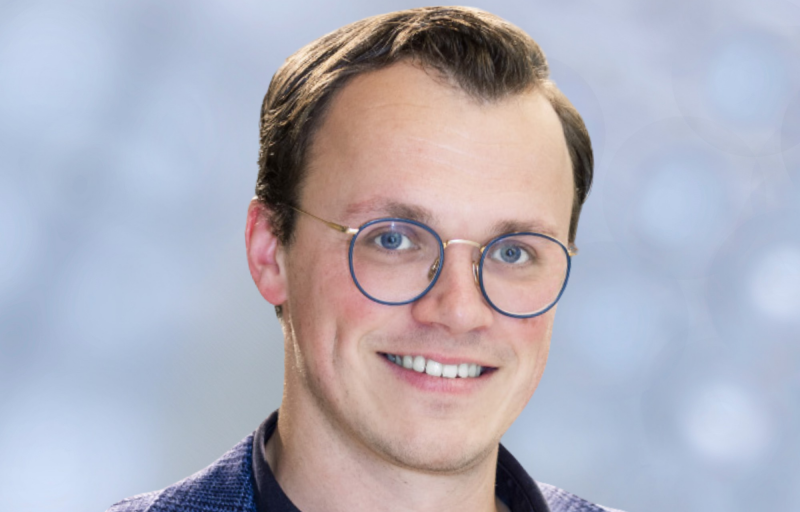
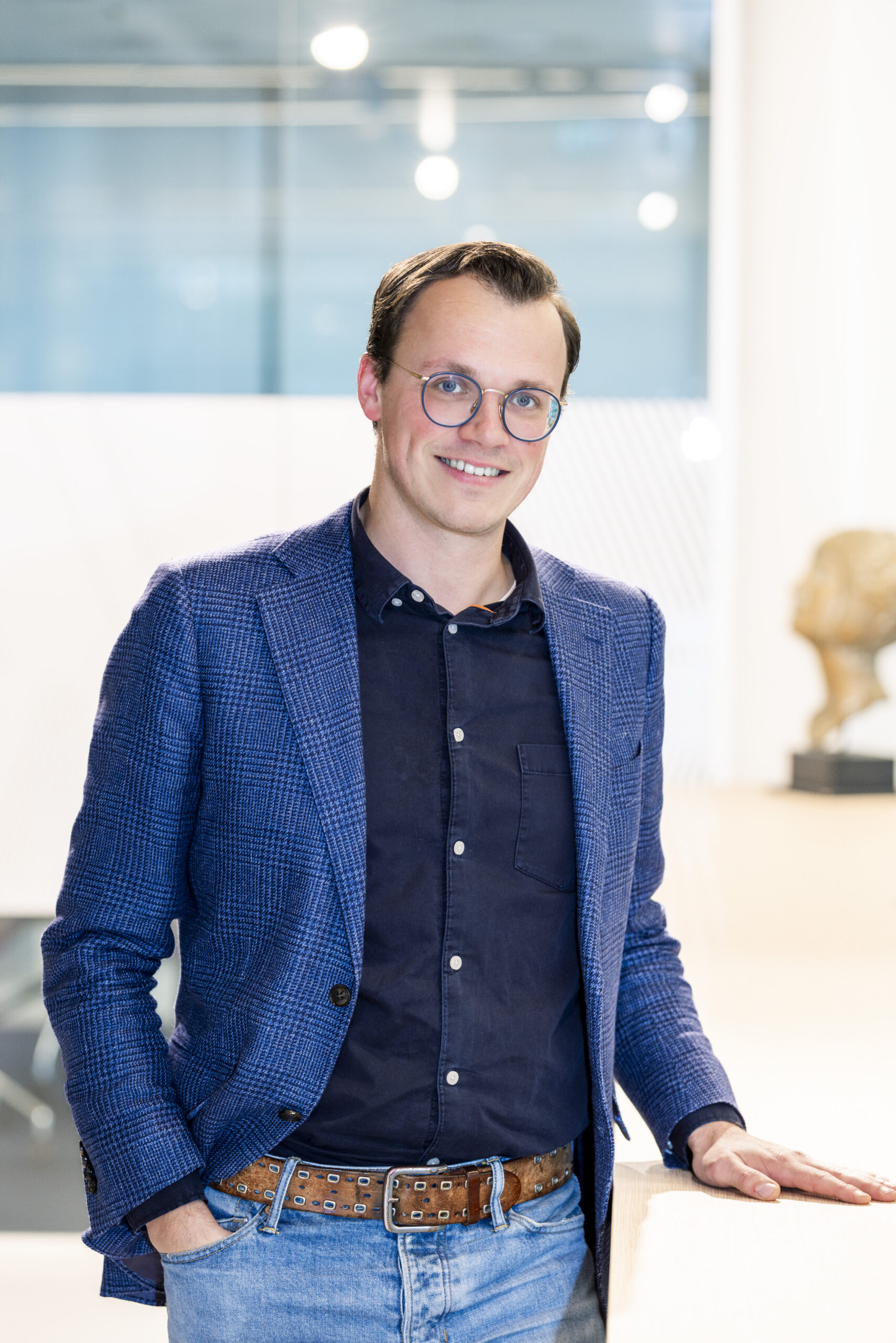
EATRIS Meets is an interview series that celebrates the amazing people in the EATRIS community. Willem van den Brink is the Chair of the EATRIS Digital Biomarkers Working Group and a scientist at TNO, the Netherlands Organisation for Applied Scientific Research. We spoke with Willem about his research on digital biomarkers and work with EATRIS.
Tell us a bit about yourself.
I’m a Dutch scientist working at TNO, the Netherlands Organisation for Applied Scientific Research. I am a pharmacologist by training and completed my PhD at the Leiden Academic Centre for Drug Research, specialising in neuropharmacology. During my PhD, I focused on identifying novel biomarkers for neuropharmacological treatments, with particular interest in finding less invasive alternatives to brain-based measurements, such as blood biomarkers.
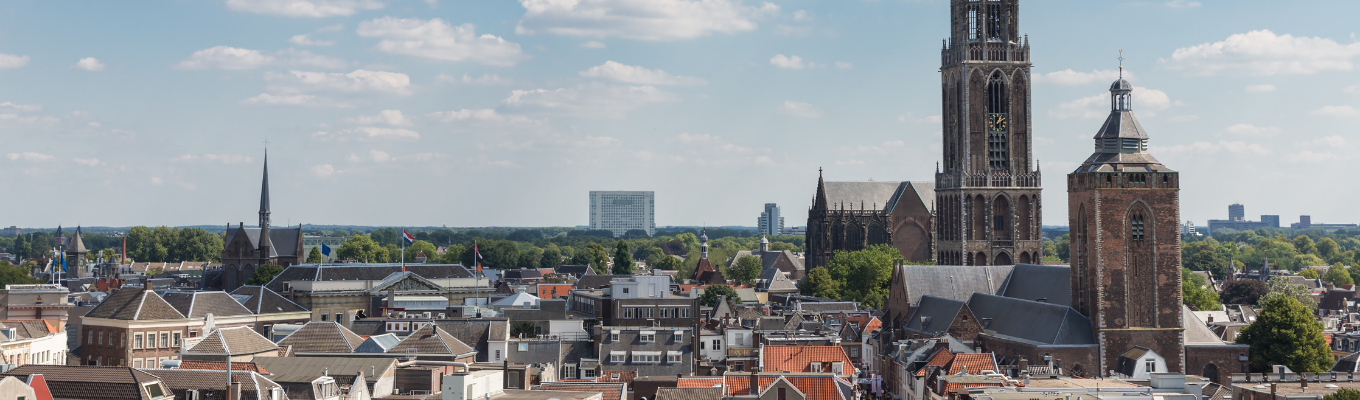
At TNO, my work has increasingly shifted towards even less invasive approaches, including digital biomarkers. A consistent theme throughout my career has been finding meaningful ways to measure health-related outcomes for patients and professionals while lowering the burden of measurement. I live in Utrecht with my family and am a father of three daughters.
Alongside research, I am currently renovating our home, which has more similarities with scientific research than one might expect: both are overall rewarding and nice to do but sometimes can be frustrating!
What is your link with EATRIS and what does a typical week look like for you?
Through my work at TNO, I have long been connected to EATRIS. A few years ago, I was invited to give a lecture on digital biomarkers at an EATRIS-Plus Summer School in Lisbon, which I greatly enjoyed due to its interactive and open atmosphere. I later returned to present again, and through these events became more aware of the growing interest in digital biomarkers within the EATRIS community.
When EATRIS launched the Digital Biomarkers Working Group, I joined out of interest and was encouraged by the strong engagement from across Europe. When asked whether I would consider leading the group, I felt it was a natural step. The working group is a great collection of experts, and we’re all excited to make an impact on the digital biomarker ecosystem in Europe. It’s all about sharing knowledge, sharing best practices, and building a network for advancement in the field of digital biomarkers.
What has been the highlight of your EATRIS experience so far?
The EATRIS Summer Schools have been a clear highlight for me, as they offer a unique environment for meaningful discussion and connection. More recently, the launch of the Digital Biomarkers Working Group itself has been a major highlight. The level of interest from the community and the diversity of expertise involved has been very encouraging. Seeing so many motivated people come together around this topic makes me confident that the working group can have real impact. I am also very much looking forward to the next steps and future initiatives we are planning.
What is translational research for you?
For me, translational research is about turning knowledge into real-world impact. While fundamental research is essential, I am particularly motivated by applied research that shortens the distance between discovery and benefit to society. Translational research ensures that insights gained from fundamental science are developed into solutions that genuinely improve health.
This process is complex and involves many hurdles, which is why it cannot be done alone. It requires collaboration between academia, industry, healthcare professionals, and patients. Translational research, in essence, is about working together to transform scientific knowledge into tangible improvements in healthcare and wellbeing.
Why did you decide to work in the digital biomarkers field?
After my PhD, I was already working in the biomarker space on projects utilising wearable technologies for health measurements. That’s where I saw a huge opportunity because while traditional biomarkers are often only measured every year or half-year, wearable technologies collect continuous data and can present a view into the daily life of a patient, consumer, or individual.
I was really intrigued by what could potentially be achieved by these types of data, and I discovered that scientists were developing more evidence-based approaches under the term digital biomarkers. These evidence-based approaches were a starting point for me because they helped create a shared language to use this data for clinical trials, for healthcare purposes and so on.
What advice would you give your younger self?
I would advise my younger self to engage with the application domain as early as possible. Interact with the patients and healthcare professionals who will eventually use your research or innovation. Understanding their needs and challenges early on is incredibly valuable. It helps shape research in a way that is more impactful and meaningful, and it can also be a strong source of inspiration throughout your career.
What do you like to do when you aren’t working?
Outside of work, I enjoy spending time with my children and doing activities together. I also enjoy reading, ranging from literature to philosophy, which gives me a different perspective beyond science. More recently, much of my free time has been dedicated to renovating our home. In addition, I appreciate good food and enjoy going out to restaurants whenever time allows.
Learn more about the Digital Biomarkers Working Group: